

As a Kids’ Confidence Coach, I often work with children who are struggling with feelings of anxiety and who need help recognising and processing those big emotions as they appear in their bodies.
A parent recently reached out with a common and deeply relatable question:
“Our school was closed for a day due to a sickness bug that escalated. My child was ill for a few days, and now that school has reopened, I feel this event has triggered anxiety in her and many of the children. My child says they still feel ill before school, but I’m sure it’s because they are so worried about getting another bug. Do you have any tips on what I can say to help them?
It’s completely understandable that a sickness outbreak—especially after the last few years—would trigger feelings of anxiety in both children and parents. That feeling of uncertainty and a potential return to isolation can be very unsettling.
You are seeing a physical manifestation of this stress, and here’s how you can help your child through it.
Acknowledge the Realness of the Feeling
First, it’s important to understand: Even if you believe the sickness is due to anxiety, the physical feelings your child is experiencing are genuine.
When the body enters a state of high anxiety, it goes into “overdrive”, to protect itself. This is the fight-or-flight response, and it profoundly affects the digestive system. You may have experienced this yourself—a sudden need to rush to the bathroom before a big presentation or a job interview.
For children, this surge of stress hormones can lead to feelings such as:
A “nervous stomach” or upset tummy, which we call butterflies.
Dizziness or a general feeling of being unwell.
A feeling of nausea or even actually being sick.
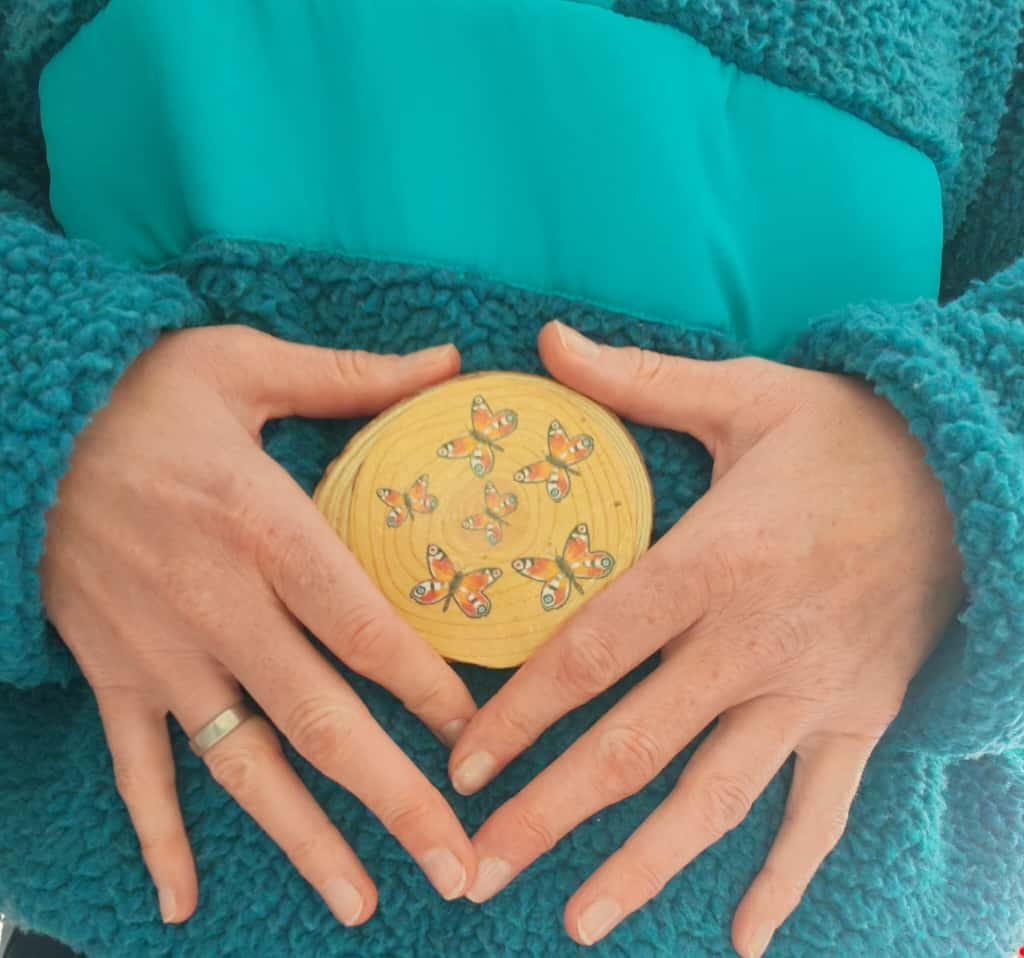
This isn’t imagined—it’s a very real physical response. Acknowledging this reality is the first step in breaking the cycle. The last thing an anxious child needs to hear is that their worry is “all in their head.”
3 Top Tips to Help Calm the System
To help your child by guiding their nervous system out of “overdrive.” Here are three powerful ways to do that:
1. Be Their Calm Anchor
When your child feels sick or worried, they are likely feeling out of control. Your reaction is one of the most important parts of this equation.
Think about a child who falls over: they immediately look to the grown-up. If the grown-up panics, the child starts to panic and cry. If the grown-up remains calm, the child is much more likely to calm down quickly.
Be your child’s calm anchor.
Keep your voice even and low. Avoid a frantic, “Oh no, are you going to be sick?” tone.
Focus on your body language. Sit down, slow your own movements, breathe mindfully, and create a calm space.
Your calmness sends a powerful message: “I’m here for you.”
2. Take a “Calm Pause” Together
In the morning rush, it can be tricky to pause when you’re worried about being late. But a few minutes of calm focus can change the whole day.
When your child says, “I feel sick,” use this approach:
Acknowledge: “I can see your not feeling great. That feeling is real.”
Invite a Pause: “Let’s sit down and take a moment together. We can work through it together.”
Then, simply sit quietly and lead them through some calm, deep breathing. This is a quick and effective way to help the nervous system literally “switch off” the panic response.
3. Change the Brain’s Focus
The brain is excellent at finding patterns. When we focus intensely on a particular physical feeling—like a churning stomach—the brain starts hunting out more of that feeling. We can inadvertently train our minds and bodies to constantly search for physical issues.
Instead, let’s redirect that powerful focus with Body Scanning.
Instead of asking, “Does your stomach still hurt?” use a gentle, playful approach to shift their attention to parts of the body that feel good or neutral:
“Okay, let’s check in with a few things... How does your right earlobe feel right now? What about your little toe on your left foot? Can you wiggle it?”
When we intentionally switch our focus, we interrupt the anxiety loop and give the nervous system a well-deserved rest. We teach the brain that there are other, more neutral, or even pleasant sensations to notice, not just the anxious ones.
Remember: We believe what we tell ourselves. By guiding your child’s focus and remaining a calm, reassuring presence, you help them rewrite the anxious narrative their body is telling.
Learning to interpret the body’s signals is a foundational life skill. This critical understanding of how your body talks to you and how you can listen and respond to those signals is a core focus in all our workshops and 1-2-1 coaching sessions, giving children the tools to manage their emotions effectively.
Check out this feedback from one of my young clients after sessions with me:
On a final note, if you are ever at all concerned about your child’s symptoms, always seek medical advice from a doctor.
Please reach out for more support and out network of coaches if you need us.
Great post Lau, and tips we can all use to support.